
The final day of MCMC 2026 opened with a key question: who do micro-credentials serve, and how can we make them trusted and portable?
Opening keynotes
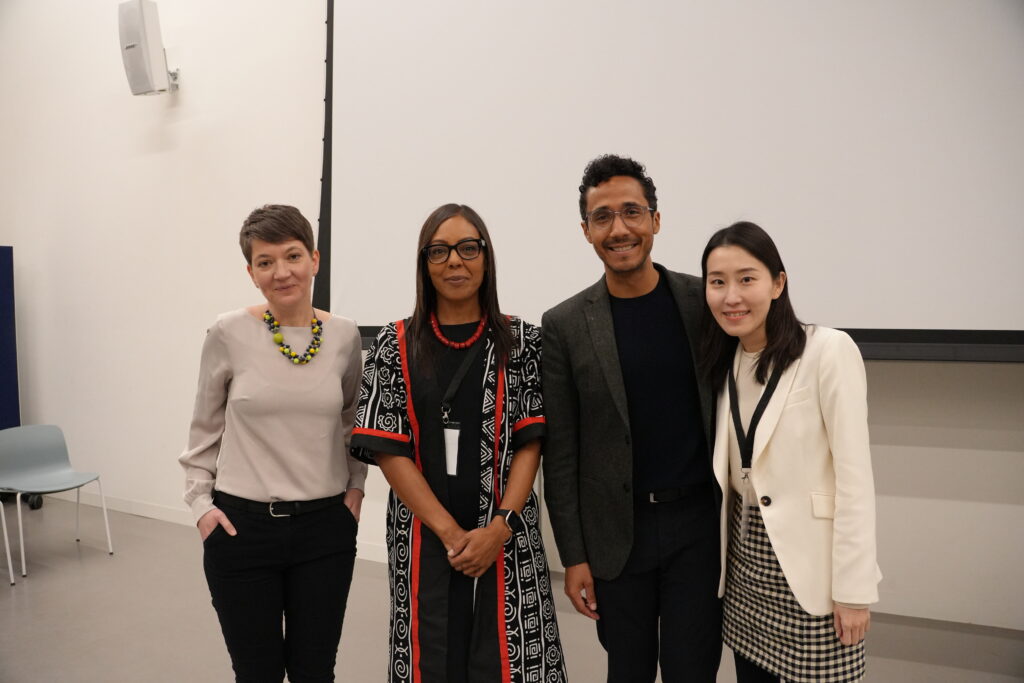
Nadia Starr, CEO of the South African Qualifications Authority (SAQA), began with a broad view that extended beyond Europe. Her keynote focused on equity—who gains access to credentials and who gets left behind.
Iván Bornacelly and Shizuka Kato from the OECD then provided data-driven insights on skills policy and lifelong learning. Their research linked micro-credentials to job market needs and skills-first hiring, setting the stage for the day’s parallel sessions.
Theme 3: Credentials for all
Session 3a focused on equity and access. Brian Shee from the University of Limerick presented the MicroCreds initiative. This programme offers over 150 industry-aligned micro-credentials to help disadvantaged learners. Lucija Vihar from KIC shared a different perspective. She explored community-led learning in the EU-funded YOUROPE project. She asked how student-driven learning outside formal structures can gain recognition. Viola Pinzi and Angeliki Giannakopoulou from the European Association for the Education of Adults (EAEA) discussed the non-formal sector. They highlighted where micro-credentials could help the most but currently do the least.
Session 3b focused on global recognition. Nata Japiashvili from EIT 28Digital discussed creating stackable, portable learning pathways based on European standards. Özge Coşkun Aysal and Donald Staub from İzmir University of Economics looked at quality assurance in two ways. First, they studied how design choices impact academic judgement. Then, they explored how quality principles apply to micro-credential systems. Colin Tück and Jochen Ehrenreich shared QualityLink’s method for enhancing recognition with improved data and what it would take to expand this beyond Europe.
Daiana Huber from CPIP Romania ran the MC Studio, sharing insights on building learning ecosystems that connect vocational education, adult learning, and employment policy into workable frameworks for lifelong learning.
Theme 4: Skills on the move
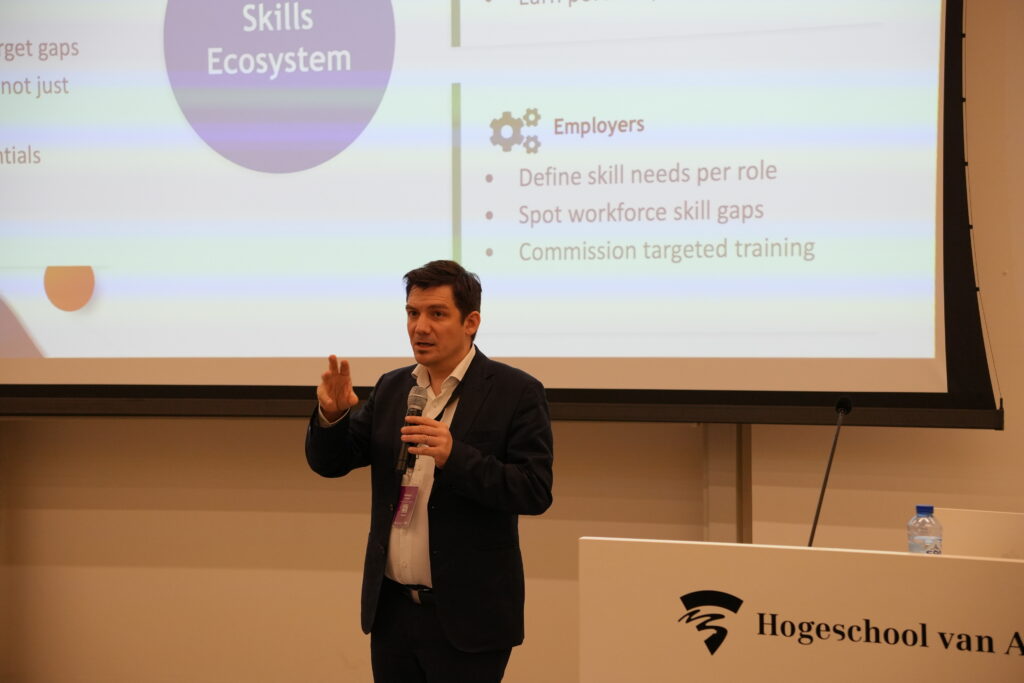
Liona de Graaf and Paul den Hertog from SURF, representing the WE BUILD initiative, opened Theme 4. Their keynote made a direct case: quality assurance is the trust engine connecting education and the labour market. Without shared rules for issuance and verification, more credentials mean more fragmentation, not more mobility.
Session 4a examined skills technology. Domen Bevec from KIC presented work on building open skills infrastructure. Ádám Tóth from Utrecht University and Silvia Gallagher from Trinity College Dublin shared research on how European sustainability micro-credentials include GreenComp competences. They also introduced an AI tool to help course developers enhance alignment. Johan Peterson on video call from Linköping University and the European Consortium of Innovative Universities (ECIU) returned to share how ECIU University built a full digital system for micro-credentials. This was done from scratch across 13 member universities. Simone Ravaioli from Instructure closed the session with an analysis of four structural tensions shaping micro-credentials today – between coherence and relevance, frameworks and innovation, accumulation and activation, quality and value.
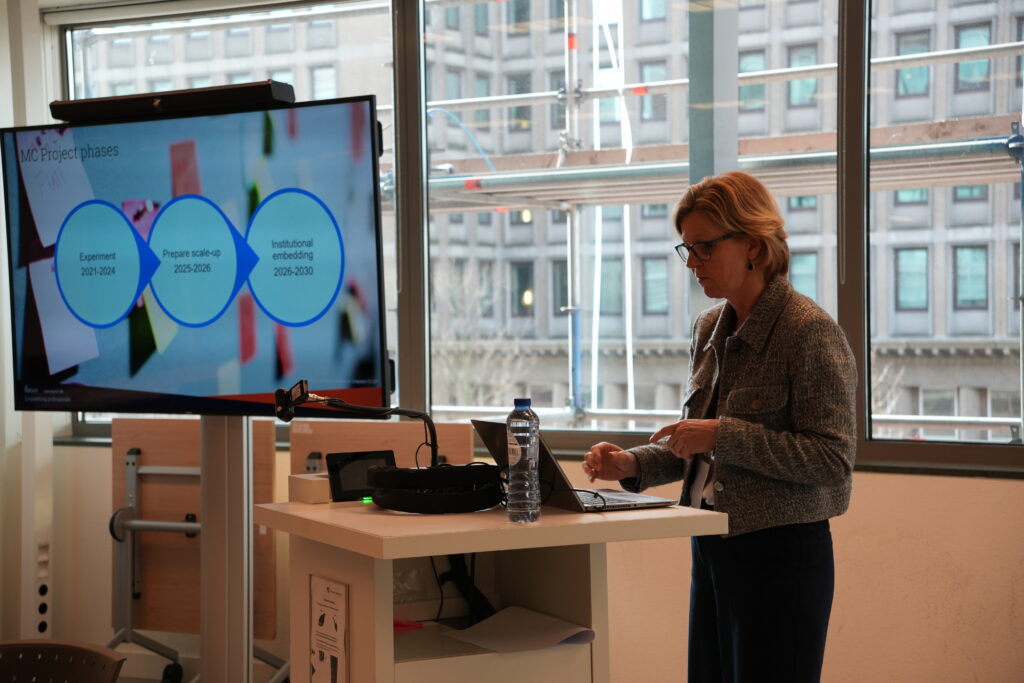
Session 4b looked at labour market portability. Cora van Haaren and Nicola Scirocco from Delft University of Technology (TU Delft) presented TU Delft’s journey from pilot to institutional strategy, with a hands-on group exercise identifying the main barriers to labour market recognition and working through concrete solutions.
The MC Studio closed with a demonstration on gaining labour market recognition for micro-credentials at scale — grounding the day’s conversations in practical next steps.
Closing session
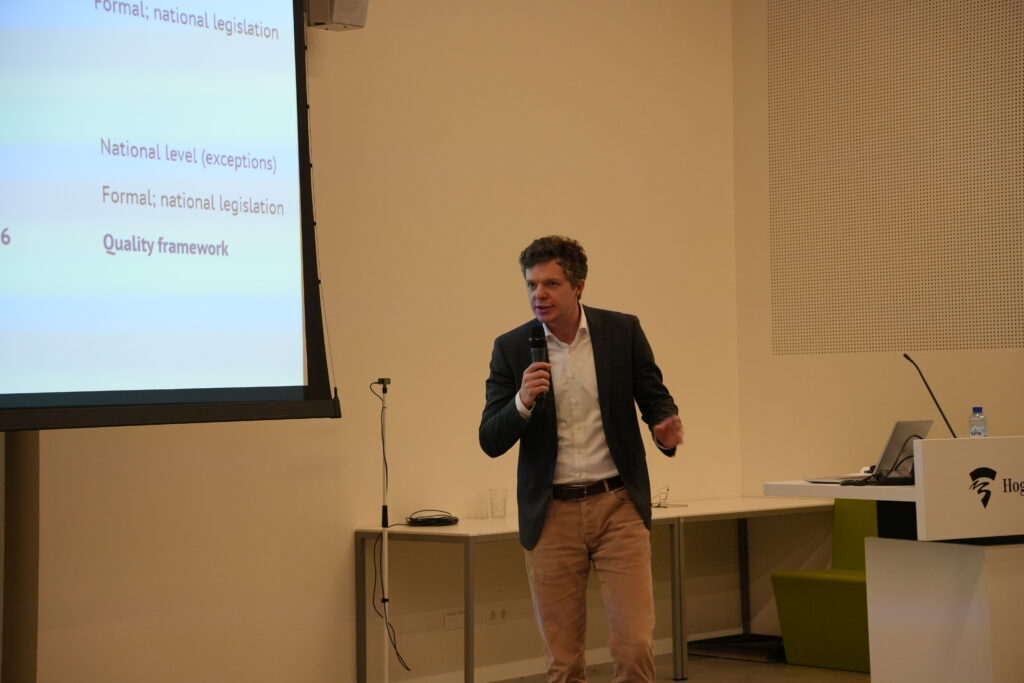
Anthony F. Camilleri closed with an account of where the field stands. Two views of micro-learning are pulling in different directions: one holds that the guided learning journey matters; the other that only the acquired skill counts. The field has not resolved this tension. “Skills portability” still refers to qualification recognition in practice. Meanwhile, learner wallets are breaking apart faster than skills are becoming interoperable. AI skills risk masking a deeper need for retraining that the current system is not designed to meet. Three things need urgent attention: reliable assessment at scale, clearer guidance on mapping micro-credentials to qualification frameworks, and real incentives to move beyond successful pilots.
Letters to the future
Stefan Jahnke closed with something different. He asked every participant to write a goal on paper — a conversation they want to have, something they want to start, a follow-up they owe someone. Specific. Achievable. Time-bound. Later this year, the MCMC team will post those letters back — by physical mail. A friendly reminder, from yourself, that talking is not the same as doing.
It was a quiet, practical way to end two full days of work. And a sign that this community is serious about turning its conversations into action.
The closing panel
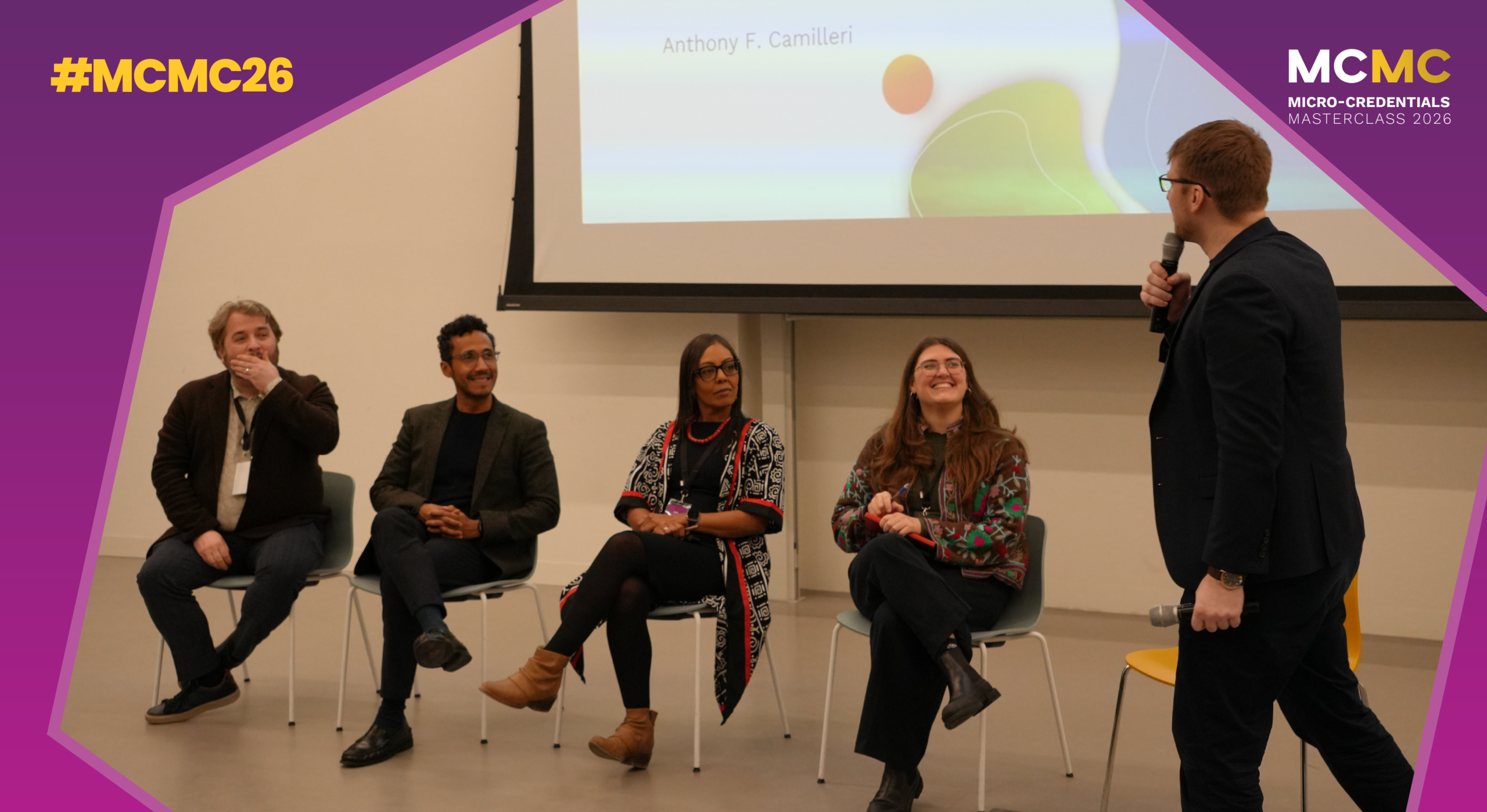
A final conversation brought together four voices from across the two days: Angeliki Giannakopoulou (EAEA), Nadia Starr (SAQA), William O’Keeffe (European Commission), and Iván Bornacelly (OECD). The discussion reflected on what MCMC 2026 revealed about where the micro-credentials field stands — and what it needs to do next.
Thank you to every speaker, participant, and partner who made MCMC 2026 possible. The full programme and speaker profiles, are available on the MCMC website.
MCMC 2027 is already on the horizon.
MCMC 2026 was co-organised with Amsterdam University of Applied Sciences (AUAS). The conference ran 24-26 February 2026 in Amsterdam.